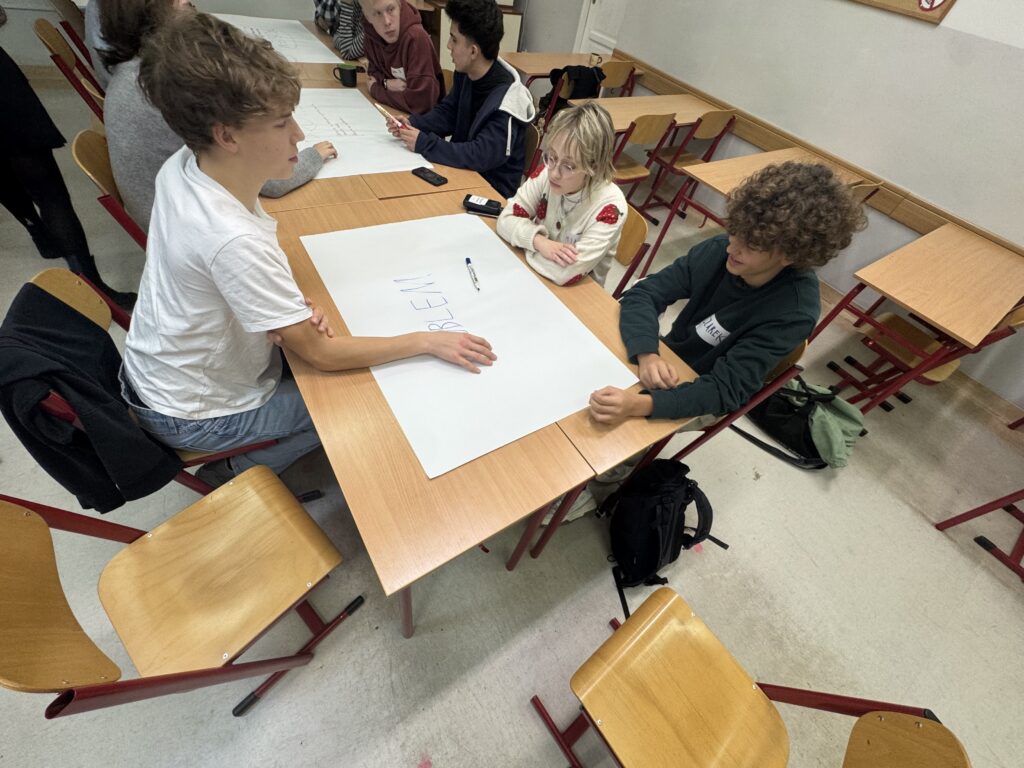
Future Founders has really moved on in schools. After the joint inauguration, it was time for the most important part of the program: the work of teams, meetings with mentors and the first decisions on the problems that young participants want to work on in the coming months.
We look at two Future Founders Clubs – in the 3rd High School in Gdańsk and CKZiU No. 2 – to see how the program looks not during the official opening, but in everyday work in schools.
Understand the problem first
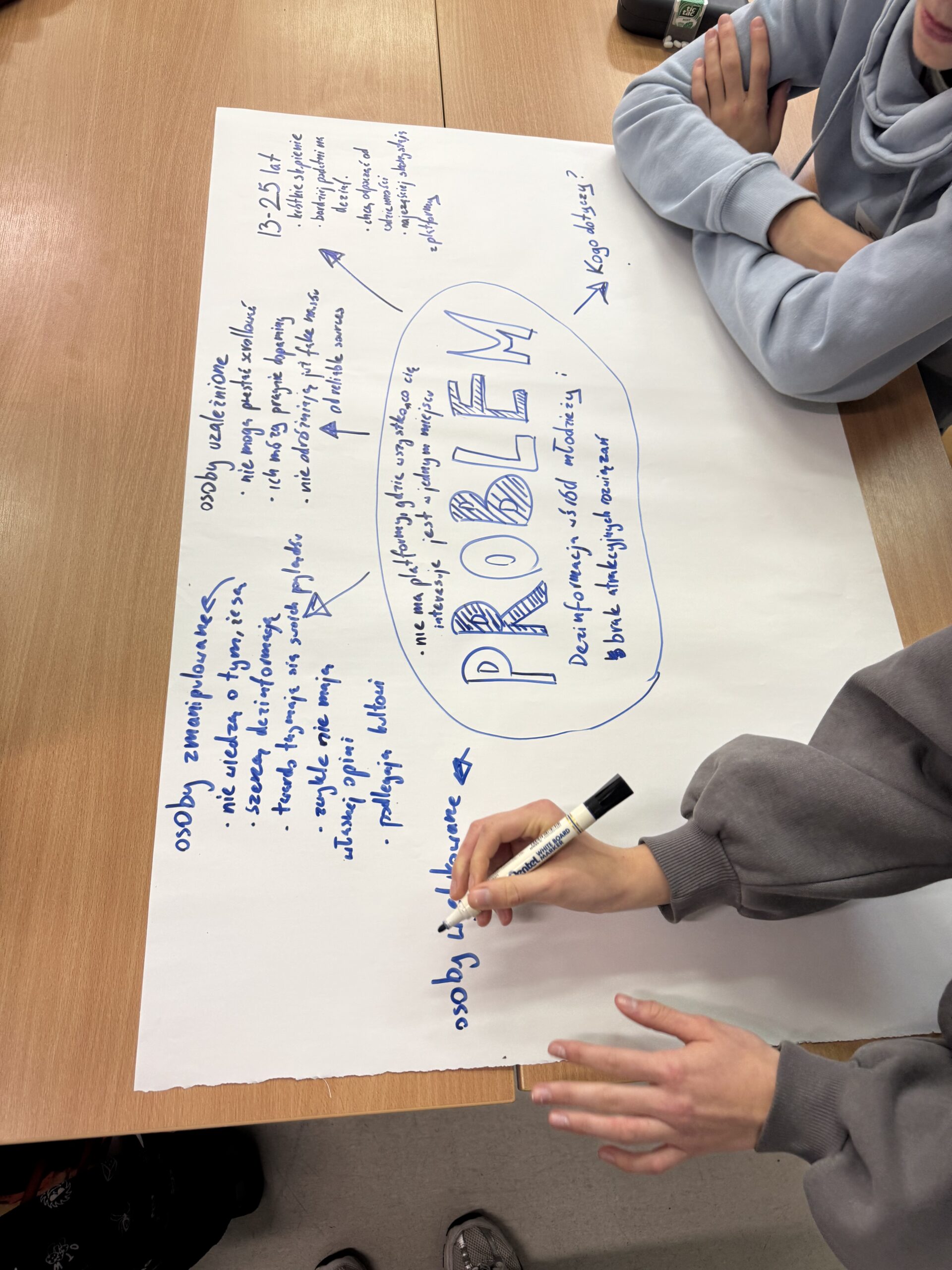
One of the principles of Future Founders is: “Fall in love with the problem, not the solution.” This is where teams start.
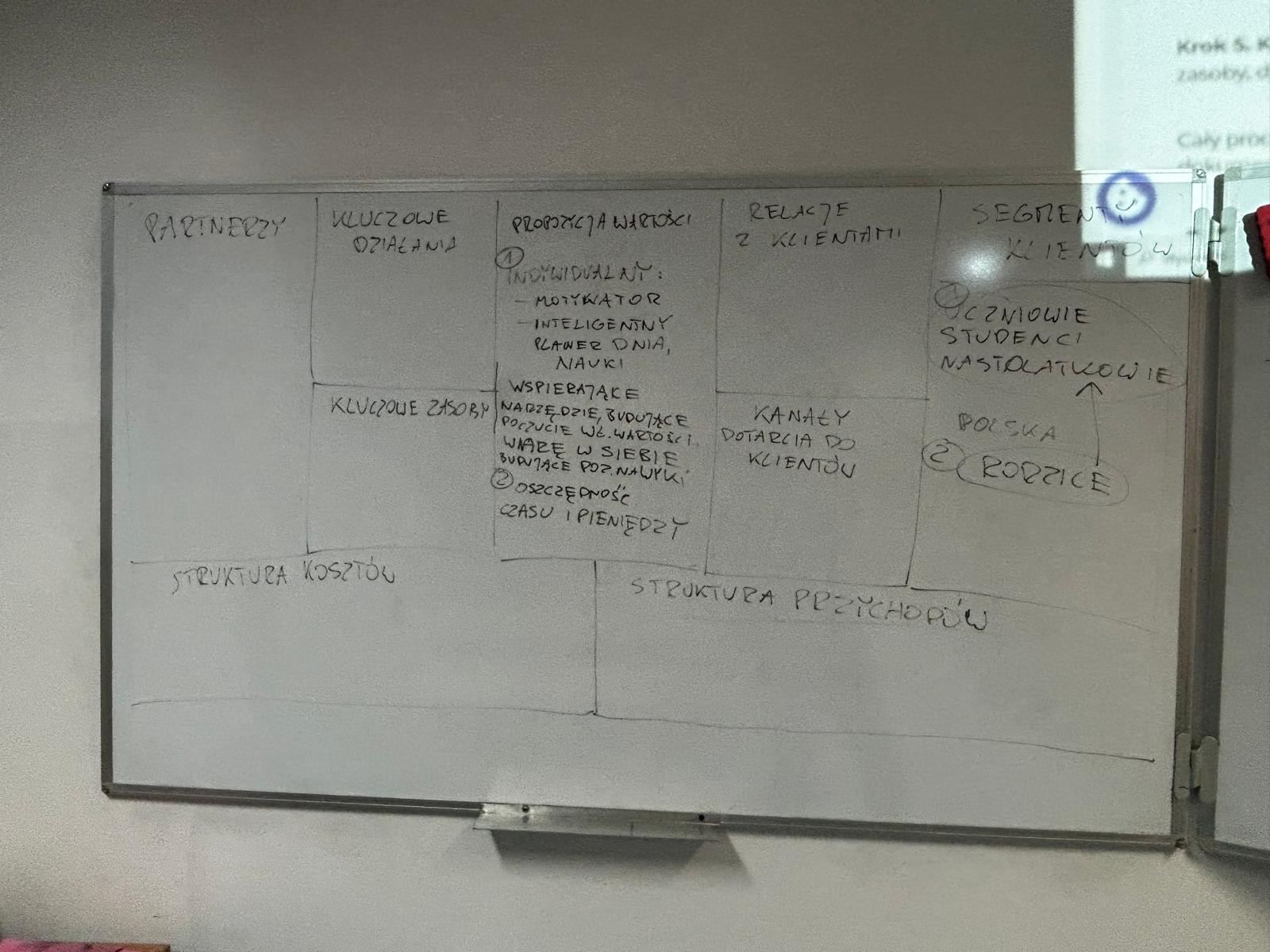
At this stage, it is not yet about the name of the startup, logo or finished product. Participants try to determine what problem they really want to solve, who it concerns and why it is important.
In III LO, this meant a lot of conversations, organizing observations and breaking down problems into parts. The first ideas already appear, but before teams start building solutions, they have to check their assumptions.
Mentor to ask, not answer
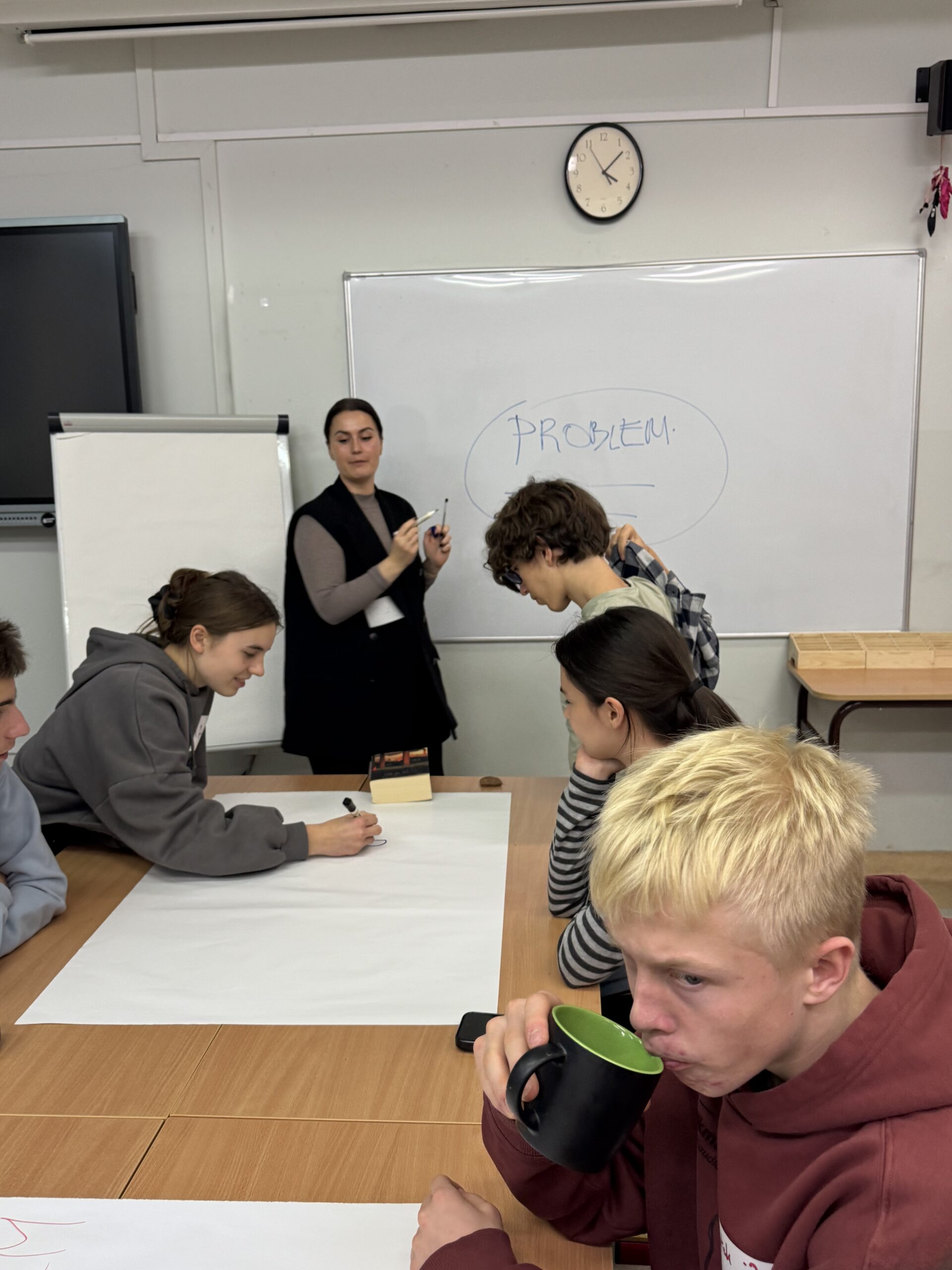
An important part of the program are meetings with mentors of – people who know business, product development and project management from the practical side.
It is not their job to tell the young people what to do. Sometimes more questions are needed: how do you know? Who is this problem for? How can you check?
The first edition is supported by: Marta Zuska, Pola Weryszko, Piotr Tumasz, Wojciech Sacha and Mateusz Glass.
Five schools, five clubs, different ideas
Future Founders operates in five schools in Gdańsk:
- I LO – babysitter: Urszula Kamińska,
- III LO – babysitter: Urszula Zblewska,
- VIII LO – tutor: Piotr Szachmytowski,
- – Energy School Team, a caretaker: Dorota Kalinowska-Iwaniec,
- CKZiU No. 2 – babysitter: Małgorzata Łyżwińska.
Each club works a little differently and everyone can come to a completely different solution. The process is common: first you need to understand the problem, then check with the recipients, and only then proceed to build.
In CKZiU No. 2 the same process begins
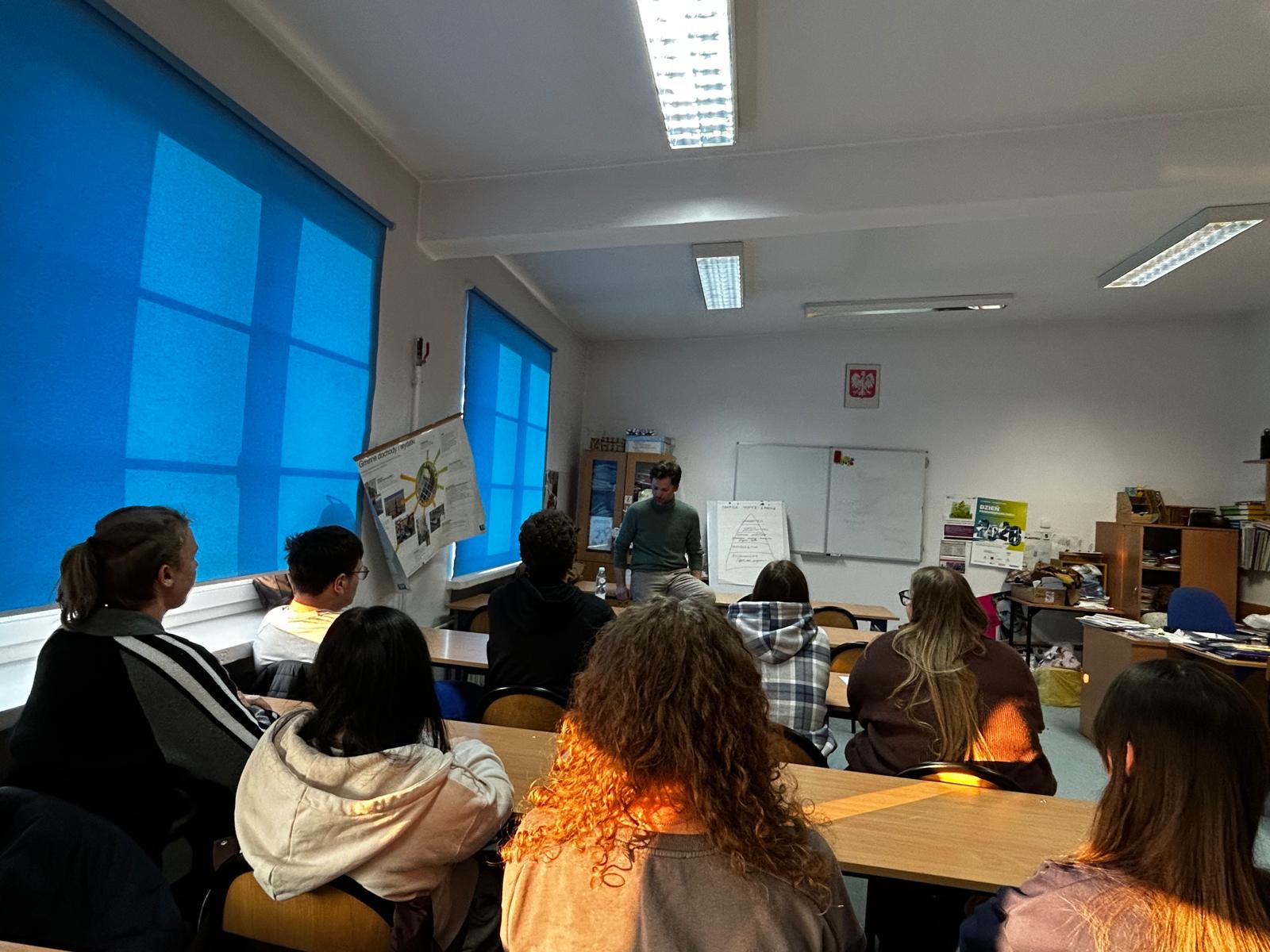
In CKZiU No. 2, participants are also still at the stage of organizing ideas, determining groups of recipients and checking which problems are important enough to work on them further.
This is the moment when projects are just taking shape and that is why conversations with a mentor can completely change their initial direction.
Time to check, not guess.
The next step will be the transition from “it seems to us that...” to “we have checked and we know more”.
On 26 November, participants will meet at another joint workshop, this time devoted to consumer research. It will be led by dr hab. Krzysztof Najman, professor at the University of Gdańsk.
Teams will learn how to obtain information from potential recipients, how not to base the project solely on their own assumptions, and how to use research results to make subsequent decisions.
What about Future Founders?
Before the participants there were research, conversations with recipients, first prototypes, testing ideas and subsequent meetings with mentors.
And we’re really curious about which problems will stay with the teams for longer, which ideas will change after the first conversations with the audience and what will eventually arise.
We will also look at Future Founders Clubs in the next stages and show how their projects change from the first page with the word “problem” to the solutions presented during Demo Day.
This is just the beginning. That is why the most interesting is still ahead of them.
Meet the Future Founders
Future Founders connects youth, schools, mentors and practitioners around working on real problems and creating first solutions.
Future Founders in schools – key information
How many schools does Future Founders work in?
The pilot edition of Future Founders 2026/2027 operates in five secondary schools in Gdańsk: I LO, III LO, VIII LO, Energy School Complex and CKZiU No. 2.
What role do Future Founders play?
Mentors help young people verify ideas and make subsequent decisions, but they do not create projects for participants. Their role is to share experience and ask questions that help teams look at the problem from a different perspective.
What will be the next stage of the program?
After defining the problems, participants will examine the needs of potential recipients, verify their assumptions, develop solutions and create the first prototypes. The program ends with a Demo Day.
Read more
Future Founders is coming. Youth, real challenges and the way to the first prototypes
Future Founders is entering the next stage. The entrepreneurship and innovation program for young people from secondary schools in Gdańsk…
Have a question for the ecosystem?