01 · Discover
Discovering
The team observes its surroundings, chooses a specific problem and identifies the group it affects.
Future Founders Clubs are regular work by students from Gdańsk secondary schools on real problems, ideas and solutions.
In the 2026/2027 school year we are running the pilot edition of the Future Founders Clubs. At this stage it is not possible to join the ongoing programme.
We are, however, planning further editions. If you represent a school and would like to know more about taking part in the future, get in touch.
edukacja@startergdansk.pl →Entrepreneurship and innovation through hands-on experience.
Participants work in teams on real challenges, talk to users, research needs, develop ideas and build simple prototypes. Along the way they use feedback from mentors, experts and practitioners.
The Clubs’ work follows a simplified solution development cycle: Discover, Validate, Build, Launch and Grow.
The team observes its surroundings, chooses a specific problem and identifies the group it affects.
Students hold conversations, interviews or surveys, analyse the results and check whether the problem is real and important.
The team builds a simple prototype, gathers feedback and develops the solution based on it.
Participants consider how the solution could work, reach its users and be funded.
The team presents its results at Demo Day, draws conclusions and identifies possible next steps.
The programme takes students through the whole process: from spotting a problem and researching needs, through building a solution and gathering feedback, to preparing the project for presentation at Demo Day.
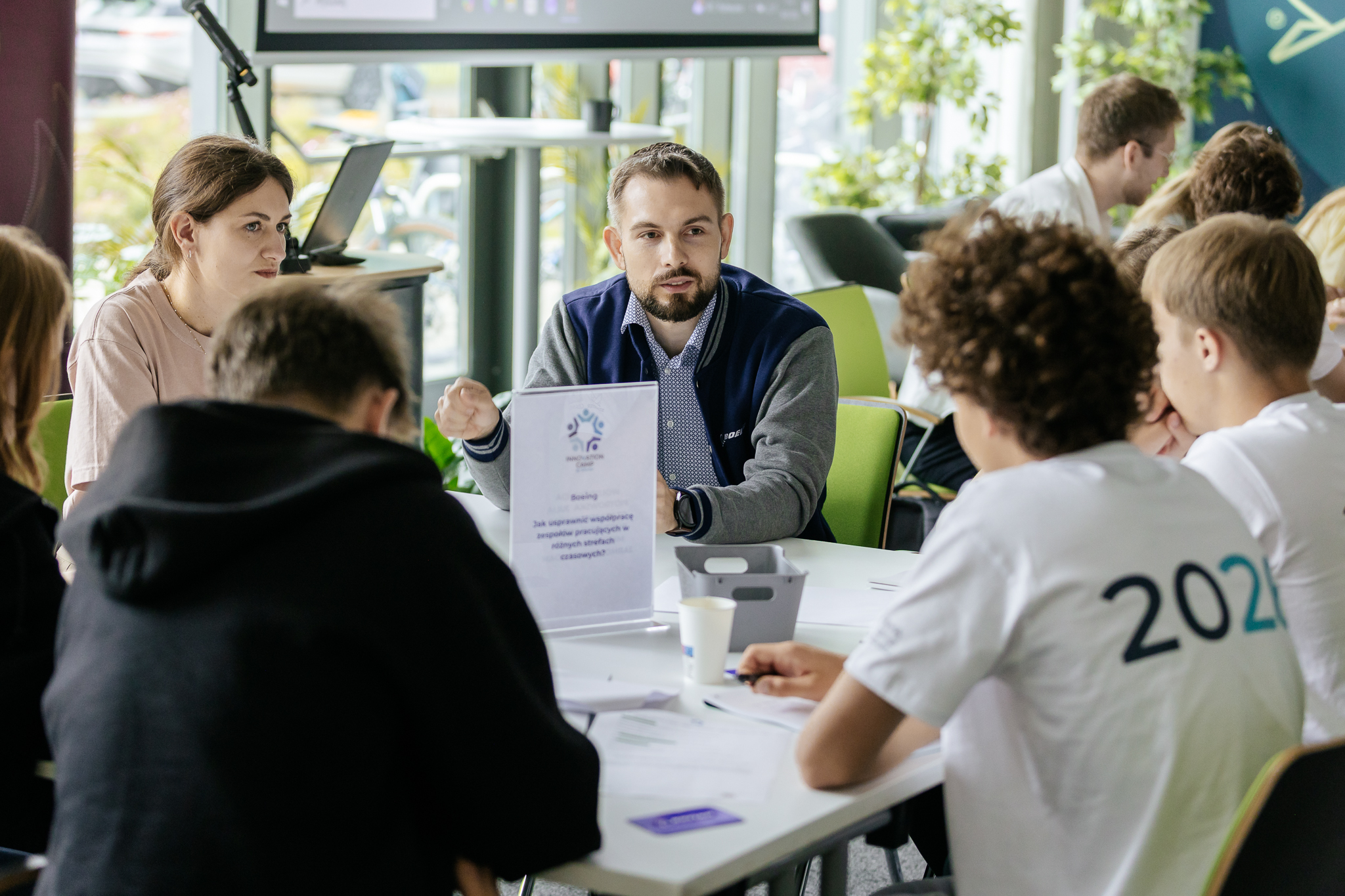
Regularly meeting student teams working on solutions in a project format.
Teams work on problems arising from the real needs of users and their surroundings.
Intensive project events where young people develop solutions with the help of mentors.
Contact with experts from business, science, technology, design and entrepreneurship.
A final presentation of ideas and prototypes to partners and representatives of the ecosystem.
Participants learn to notice needs, ask questions, use data, collaborate, share responsibility, make decisions, take feedback and present their ideas.
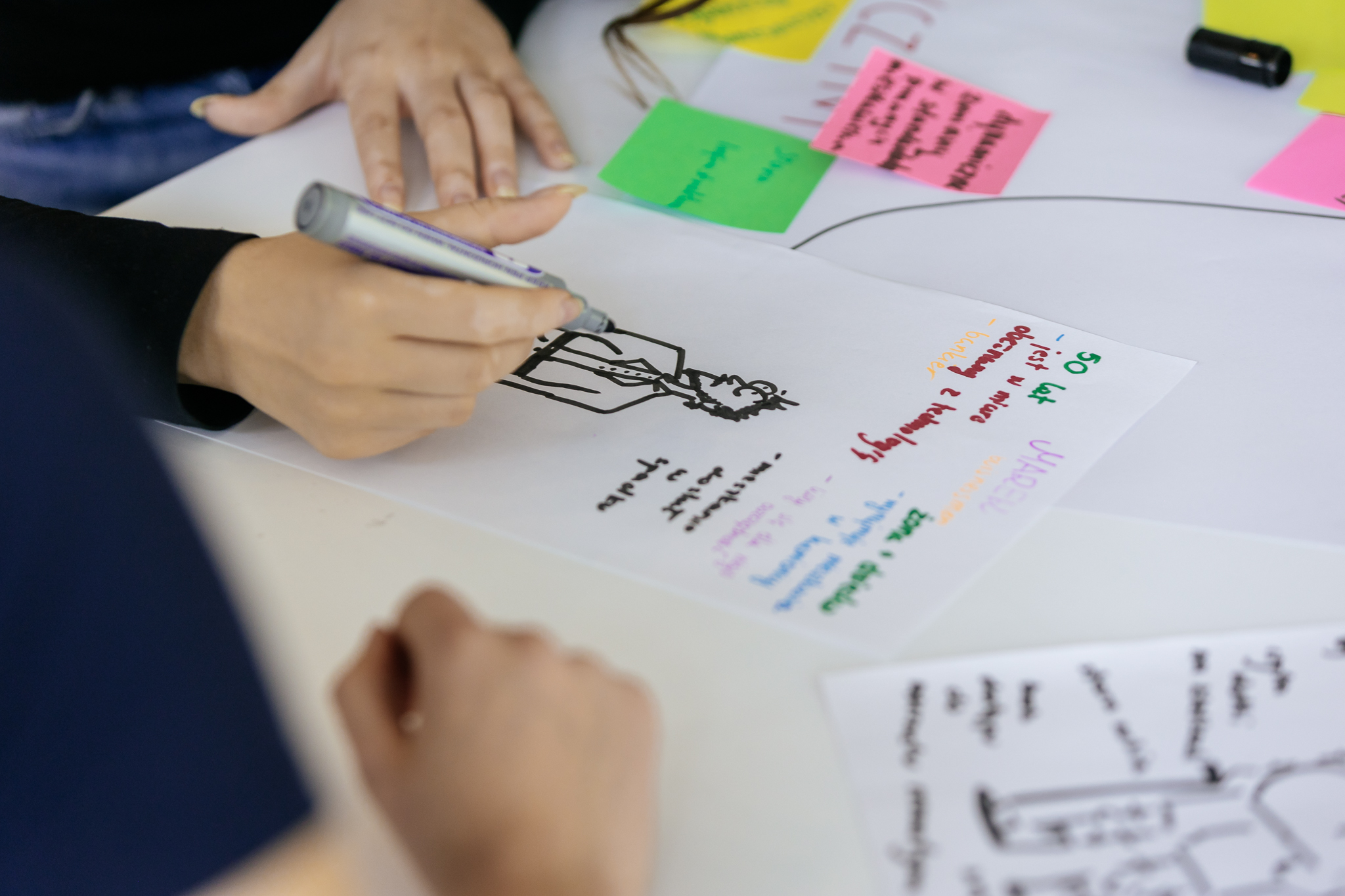
Students interested in problem-solving, entrepreneurship, technology and project work.
Schools that want to develop future skills through hands-on experience.
Practitioners, experts, companies and universities that support the teams with knowledge and feedback.
Read the rules for taking part in the programme and for how the Future Founders Clubs are organised and run.
You can open the document in your browser or download it to your device.
Recruitment for the 2026/2027 pilot edition has closed. If you are interested in taking part in future editions of the Future Founders Clubs, write to us.
Write to us if you represent a school and would like more information about taking part in the future.
edukacja@startergdansk.pl →